Contactless Payments Explained
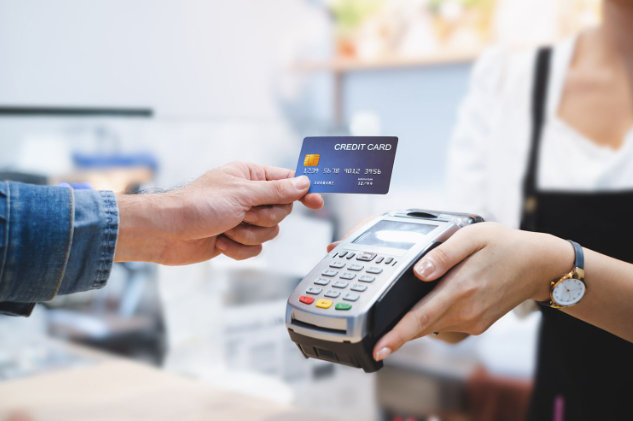
Contactless payments enable transactions without physical contact, using near-field communication, tokenization, and secure channels. Devices, apps, and platforms vary, but the core idea remains the same: speed and convenience with layered protections. Security relies on dynamic tokens and secure elements to shield data. The balance of risk, cost, and ecosystem compatibility shapes adoption. As standards evolve and safeguards improve, questions about practicality and safety persist, inviting further examination of how this approach fits everyday commerce.
What Are Contactless Payments and How They Work
Contactless payments enable transactions without physical contact between the card or device and the reader. The method relies on nearby wireless communication, tokenization, and secure cryptographic keys to authorize a transfer. Aimed at efficiency and choice, the system reduces friction and speeds deployment. Security myths persist, yet real-world safeguards exist; merchant adoption hinges on risk assessment and cost-benefit alignment.
Devices, Apps, and Platforms That Support Contactless Pay
A variety of devices, apps, and platforms enable contactless payments, spanning smartphones, wearables, cards, and dedicated wallets.
The landscape shows diverse devices compatibility across ecosystems, with varying processor supports, memory, and contactless standards.
Platform limitations emerge: some operating systems restrict apps, and banks enforce policies that shape compatibility, vendor updates, and merchant accommodation, influencing user choice and seamless adoption.
Security and Privacy: Tokenization, NFC, and Fraud Protections
Security and privacy in contactless payments hinge on robust tokenization, secure element and NFC mechanics, and layered fraud protections. Tokenization security replaces card data with safe tokens, limiting exposure. Privacy protection relies on minimal data sharing and encrypted channels. Systems rely on NFC protocols and dynamic verification to thwart skimming. Clear governance and monitoring sustain resilient, freedom-minded adoption of contactless payments.
Everyday Use: How to Pay, Tips for Smooth Transactions, and Scams to Avoid
Everyday use of contactless payments centers on practical steps for paying, maintaining smooth transactions, and recognizing common scams.
The guidance emphasizes payment etiquette, quick verification of totals, and awareness of merchant refunds procedures.
Consumers should monitor device prompts, avoid shared terminals, and report anomalies.
With clear limits on refunds, merchants reinforce trust while users safeguard funds and preserve autonomous purchasing freedom.
Frequently Asked Questions
Can I Use Contactless Payments Overseas Without Extra Charges?
International use may incur fees; not all cards charge the same. The answer varies by issuer. Consider international fees and currency conversion charges, and check terms before travel to avoid surprises during overseas contactless payments.
Do Contactless Payments Work for Small Contactless Terminals?
Contactless payments do work for small terminals, though with caveats. Ironically, offline limits can hamper usability; in practice, small terminals may face transaction caps and occasional offline mode restrictions, yet many systems proceed smoothly for freedom-loving users.
How Do Refunds Work With Contactless Payments?
Refunds for contactless payments follow standard card network timelines, with reversals initiated by merchants or issuers. The process involves refund authorizations, updated balances, and potential merchant disputes handling; this ensures accurate reconciliation and records, addressing refund processes and merchant disputes.
See also: timesloom
Can I Use Multiple Cards in One Device?
Yes, a single device can hold multiple cards, within device limits. Card compatibility varies by wallet setup, so updates may affect availability. Parallel structures emerge: multiple cards, device limits; card compatibility, wallet setup; freedom through streamlined, clear management.
Are There Age or Eligibility Limits for Using Contactless Payments?
There are age limits and eligibility requirements varying by provider and region; not all services are available to minors. Generally, users must meet institution-specific criteria, enabling payment capability while excluding irrelevant H2s from this assessment.
Conclusion
Contactless payments streamline transactions by using near-field communication, tokenization, and secure elements to replace static card data with dynamic tokens. Across devices, apps, and platforms, adoption hinges on risk assessment, cost-benefit analyses, and ecosystem compatibility. While safeguards like encrypted channels and fraud protections exist, users should remain vigilant for scams and misconfigurations. In this evolving landscape, the technology is a well-tarmed tool, delivering speed and convenience while demanding prudent governance and ongoing platform updates.