Content Analytics Tools Explained
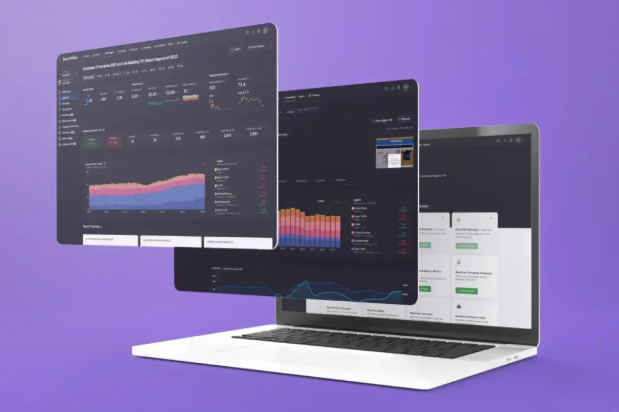
Content analytics tools transform raw interactions into actionable audience insights. They reveal engagement patterns, topic performance, and gaps, guiding governance and experimentation. Dashboards surface metrics on engagement, retention, and conversion, while interpreters map signals to priorities and test hypotheses. The approach is data-driven, strategic, and scalable, emphasizing privacy and reproducibility. For teams aiming to sharpen content strategy, these tools offer a framework—yet the next move hinges on aligning capabilities with clear goals and measurable outcomes.
What Content Analytics Tools Do for You
Content analytics tools convert raw content data into actionable insights, enabling teams to understand how readers engage, what topics perform best, and where gaps hinder performance. They translate interactions into audience insights and measurable content performance, guiding strategic decisions. By benchmarking trends, identifying friction points, and attributing impact to specific formats, they support freedom-focused teams in optimizing narratives while sustaining agile experimentation and continuous improvement.
How to Choose the Right Tool for Your Goals
Choosing the right content analytics tool hinges on aligning capabilities with specific goals, datasets, and workflow realities. Decisions should consider the target audience, data governance requirements, and long‑term scalability. A structured evaluation helps compare interoperability, governance controls, and privacy safeguards. Aim for clarity in data lineage, reproducibility, and collaboration, ensuring the selected tool supports strategic storytelling without compromising operational freedom.
Key Metrics: Engagement, Retention, and Conversion
To ground tool selection in measurable outcomes, this section examines three core metrics: engagement, retention, and conversion. Engagement measures interaction depth relative to benchmarks, revealing what captivates audiences. Retention drivers identify why users return, informing cycle optimization. Conversion reflects goal achievement efficiency. Across these metrics, data-driven signals guide strategic prioritization, while freedom-minded teams pursue transparent benchmarks and measurable improvements.
Interpreting Data to Shape Content Strategy
How can data illuminate the path from insight to impact in content strategy? Interpreting data to shape strategic choices requires disciplined synthesis, translating metrics into actionable directions.
The approach emphasizes idea one, mapping audience signals to content priorities, and idea two, testing hypotheses through iterative experimentation.
This detached view highlights causality, alignment with goals, and clear storytelling that guides measurable, freedom-friendly decision making.
Frequently Asked Questions
Do Content Analytics Tools Require Coding to Set Up?
The answer: coding is not strictly required; many tools offer no-code setups. With thoughtful planning, one can manage a smooth coding setup and tool integration, leveraging templates and APIs to support data-driven, strategic decisions and audience-empowering freedom.
How Often Should I Refresh Data and Dashboards?
A surprising 72% prefer dashboards updated hourly, illustrating a fast-refresh cadence. The appropriate answer: teams should adopt a balanced refresh cadence aligned with decision cycles, while enforcing data governance to ensure integrity, security, and clear accountability across stakeholders.
Can Analytics Predict Future Content Trends Reliably?
Future trend forecasting can indicate likely directions, but reliability varies with data quality. The analysis notes that predictions are probabilistic, not deterministic, emphasizing data reliability and transparent assumptions for strategic decisions, especially appealing to audiences seeking freedom and informed autonomy.
What Privacy or Compliance Concerns Exist With Analytics Data?
Certainly, there are privacy compliance and data governance concerns with analytics data, including data minimization, consent, and auditability; irony aside, they shape transparent, freedom-loving strategies rather than hidden surveillance. The focus remains on responsible, data-driven governance.
See also: Contactless Payments Explained
Are Free Tools Sufficient for Enterprise-Scale Needs?
Free tools are generally insufficient for enterprise scale, as data volumes, governance, and security demands outpace basic solutions; strategic planning and scalable architectures are essential, enabling autonomous teams to innovate while maintaining compliance and reliable, auditable analytics performance.
Conclusion
Content analytics tools translate raw interactions into actionable audience intelligence, turning metrics into smarter strategy. They illuminate engagement patterns, retention dynamics, and conversion pathways, enabling continuous experimentation and governance. When aligned with goals, dashboards and interpreters reveal friction points and opportunities, guiding prioritization and storytelling. In essence, these tools are compass and map: a data-driven, strategic framework that steers content decisions toward measurable outcomes, with privacy-conscious discipline steering the journey through a fog-lit landscape of reader behavior.