Containerization With Docker Explained
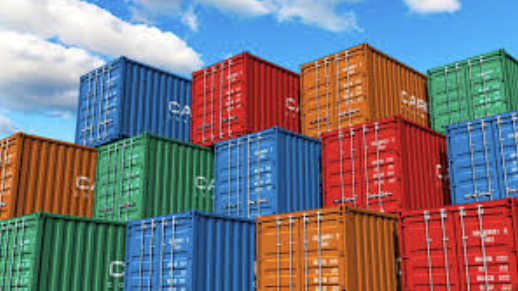
Containerization with Docker packages apps and their dependencies into portable units. It ensures consistent environments across machines and clouds. An image is the static blueprint; a container is its running instance. Dockerfiles enable deterministic builds and reproducible pipelines. In practice, orchestration, observability, and resilient networking scale services and support governance across teams and CI environments, while debugging remains tied to container boundaries. The approach promises clarity, but the details that follow will sharpen the gains and reveal where challenges lie.
What Docker Is and Why It Matters
Docker is a platform that packages software and its dependencies into lightweight, portable units called containers. It enables consistent environments, scalable deployment, and rapid experimentation, reducing operational friction. The approach supports freedom by decoupling code from host systems and easing collaboration. Yet attention to security debt and licensing pitfalls remains essential to maintain trust, compliance, and long-term sustainability of containerized solutions.
How Containers and Images Work Together
Containers and images are the two core building blocks that enable Docker’s workflow: an image is a static, portable template that defines what to run, while a container is the runnable instance created from that template.
In collaboration, image layering enables efficient reuse and versioning, while the container lifecycle governs creation, start, stop, and removal, ensuring predictable, freedom-respecting execution across environments.
Building With Dockerfile and Practical Workflows
The approach emphasizes deterministic Dockerfile optimization and reproducible image layering strategies, reducing build times and artifacts.
A disciplined workflow encodes dependencies, caching, and parameterization, enabling safe versioning and consistent environments.
Clear conventions support collaboration while maintaining portability across hosts and CI pipelines.
Running, Scaling, and Debugging in Real-World Environments
In real-world deployments, operators must run, scale, and debug containerized services across diverse environments, leveraging orchestration, observability, and resilient networking.
The piece emphasizes scaling reliability through monitored orchestration, fault-tolerant patterns, and automated recovery.
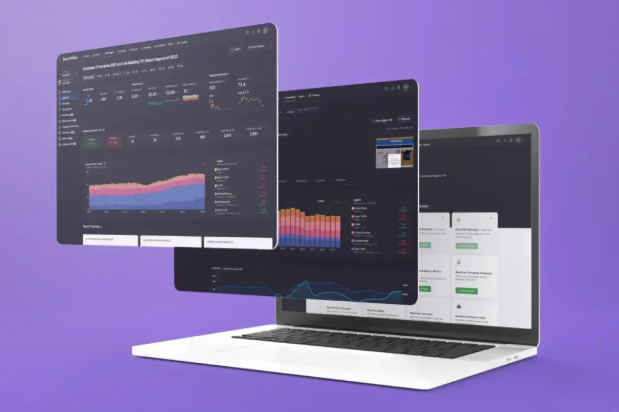
Debugging observability becomes a disciplined practice: structured logs, metrics, traces, and visual dashboards guide triage, performance tuning, and secure, flexible deployment strategies for resilient, freedom-loving teams.
See also: Contactless Payments Explained
Frequently Asked Questions
How Secure Are Containers Against Kernel Exploits and Isolation Breaches?
Containers offer strong but not absolute security; success depends on robust security models, isolation guarantees, and runtime hardening to mitigate kernel exploits and container escapes, reduce attack surface, enforce privilege reduction, and apply user namespaces, seccomp, and scanning.
What Are Common Pitfalls When Migrating Monolithic Apps to Containers?
“Measure twice, cut once.” The answer notes common pitfalls during migration: monolithic fragmentation and deployment drift can occur; teams should modularize services, standardize images, automate pipelines, and enforce compatibility checks to preserve speed, security, and freedom in deployment.
How Do You Handle Stateful Services and Data Persistence in Docker?
Stateful services require externalized data persistence, typically via volumes or managed storage, carefully separating data from containers; use durable volumes, backups, and replication, alongside declarative configuration and monitoring to ensure consistent, recoverable data across restarts and failures.
Which Ci/Cd Patterns Best Suit Containerized Workflows?
CI/CD patterns best for containerized workflows emphasize CI/CD orchestration and container security, enabling modular pipelines, automated testing, and rapid rollback. They balance speed and governance, supporting freedom while maintaining traceability, reproducibility, and robust, auditable deployment across environments.
How Do Containers Affect Licensing and Compliance in Production?
One in three deployments report licensing implications affecting cost and audits, illustrating why compliance governance is essential. Containers influence security isolation and kernel exploits risk; migration pitfalls, stateful persistence, and data durability shape ci/cd patterns and deployment pipelines.
Conclusion
Docker unifies the stack, containers isolate, images provide blueprints, and pipelines automate. Images remain static, containers become dynamic, while orchestration, observability, and resilient networking enable scale. Builds are deterministic, workflows repeatable, and artifacts minimized. Teams collaborate, governance strengthens, and CI pipelines accelerate. Environments stay consistent, deployments stay reliable, debugging stays informed, and performance stays efficient. In short, containerization streamlines development, deployment, and operation: predictable, scalable, and collaborative.