
Home Organization Ideas for Busy Families
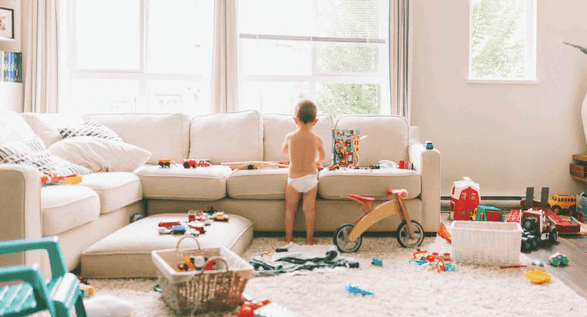
Busy families benefit from practical systems that blend flexibility with clear cues. Quick-Declare Zones streamline mornings, while durable storage and modular shelves adapt as needs shift. Kid-friendly stations, visual cues, and age-appropriate chores foster independence without added stress. Weekly routine toggles help keep clutter manageable. The approach honors choice and calm design, reducing decision fatigue. A steady rhythm emerges, yet the best tweaks await thoughtful experimentation. The next step invites careful alignment and ongoing refinement.
Create Quick-Declare Zones for Busy Mornings
Creating quick-declare zones for busy mornings helps families transition from pre-dawn chaos to organized routines. Practical design concentrates on declutter morning zones and rapid access. Acknowledge varied rhythms, assign durable quick release lockers near entry points, and label clearly. Systematic placement reduces decision fatigue, while empathy guides flexible routines. Freedom-oriented language supports autonomy, simplicity, and predictable starts without clutter.
Smart Storage Hacks That Fit Real Life
In real homes, storage solutions must balance accessibility with flexibility, so practical hacks prioritize systems that adapt to daily rhythms rather than rigid perfection. Smart storage recognizes organization psychology principles and favors modular shelving that reconfigures as needs shift. Clear labeling, reachable heights, and seasonal rotations reduce clutter, supporting freedom while preserving calm. Dialogue between function and emotion sustains sustainable, stress-free order.
Kid-Friendly Systems That Build Independence
A practical path to independence for children hinges on clear, age-appropriate systems that kids can operate themselves. Kid-friendly stations assign tasks, reminders, and routines, reinforcing ownership.
Visual cues and simple labels cultivate an independence mindset, while predictable steps build confidence. Consistent check-ins refine flow, reduce frustration, and nurture steady organization habits, enabling families to share responsibilities without micromanagement or friction.
Weekly Routine Toggles to Keep Clutter Low
Weekly routines act as simple toggles that keep clutter from accumulating, allowing busy households to reset systematically rather than reactively. Weekly toggles promote quick decluttering habits and routine prioritization, turning chores into predictable steps. The approach respects freedom of choice while preserving order, reduces decision fatigue, and supports steady progress. Practically designed, it encourages calm, consistent maintenance without overloading daily life.
Frequently Asked Questions
How Can I Tailor Zones for a Multi-Story Home?
A third party observes that zones in a multi-story home should be defined by usage, with zone specific storage placed near traffic flow to minimize steps, support autonomy, and maintain calm, organized spaces across floors for flexible living.
What to Do During Back-To-School Busy Weeks?
During back-to-school busy weeks, one should establish back to school routines, batching tasks and aligning schedules; include quick meal prep options, flexible buffers, and calm checklists, supporting a practical, systematic rhythm that grants families additional freedom.
How to Involve Kids With Sensory Processing Needs?
Tackling this: involving kids with sensory processing needs requires flexible routines and clear communication. Use sensory tools, organize routines, and implement task adaptations; progress is steady, not perfect, as families adapt together with patience, autonomy, and supportive structure.
See also: The Importance of Transparency in Crypto
Can I Reuse Organizing Solutions Seasonally?
Yes, reusable containers and seasonal labeling support reuse; systems can cycle respectfully with needs. The approach is practical, systematic, empathetic, and empowering, guiding families to rotate items, reduce waste, and maintain organized spaces with flexible, freedom-minded routines.
How to Manage Donations and Decluttering Momentum?
Donations momentum and decluttering momentum can be sustained by a simple system: set weekly targets, designate a clearly labeled drop zone, schedule regular reviews, and celebrate small wins; consistency reduces overwhelm while preserving a sense of freedom.
Conclusion
In the end, families discover smoother days through thoughtful zones and adaptable storage that respects pace and choice. Decluttering near entryways narrows the noise, while modular systems greet each morning with clarity. Kid-friendly stations nurture autonomy without pressure, and weekly toggles keep routines light on mental load. The aim is steady, practical flow—an honest balance between helpful structure and freedom to respond to life as it unfolds. Order becomes a gentle ally, not a rigid taskmaster.